 WORDROW Korean Idioms
 Idioms under “ㅈ” — 266 idioms
Browse idioms by the initial consonant of the first Korean syllable, in Hangul order. On this site, ㄲ, ㄸ, ㅃ, ㅆ, and ㅉ are grouped under ㄱ, ㄷ, ㅂ, ㅅ, and ㅈ, respectively.
 move with a surge of speed Figuratively, to gain strength and move very rapidly.
  Hold one’s own horse’s reins Ride a horse while holding the reins oneself
  Follow tracks Pursue by following footprints left by a person or animal.
  Track an animal Follow an animal's footprints to catch it.
 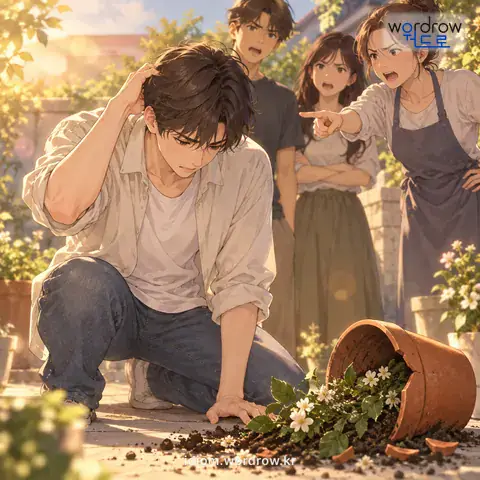 Shared · 2 Suffer from one’s own actions Suffer humiliation because of something one has done oneself
  Without realizing it Automatically and unconsciously
  Come back to oneself After being distracted or absorbed in deep thought without awareness of oneself, recognize one's existence and regain normal judgment.
  2 meanings lose oneself To be unaware of one’s own situation or existence.
 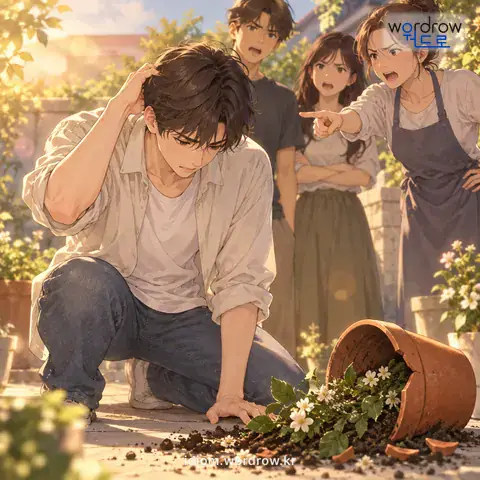 Shared · 2 Suffer from one's own actions Suffer trouble because of something one has done oneself.
  Always, asleep or awake Always, whether asleep or awake.
  shrink back in embarrassment The manner of drawing in one’s neck out of embarrassment or shame.
  Shrink back Of something or its momentum, shrink back.
  have a gathering run long For a gathering or activity already begun to continue for a long time.
  show tangible results For the results of work to become clearly visible.
  3 meanings Become established For something awkward to become familiar
  2 meanings Get up to leave; recover from illness Move from where one is to go elsewhere.
  recover from illness To recover from an illness.
  Go to bed Lie down in one’s bedding to sleep
  2 meanings Establish oneself; take root in one's mind Occupy a certain position or space.
  Spring to one’s feet Rise forcefully and vigorously
  Be bedridden Lie down ill
  refuse flatly To reject something decisively and bluntly.
  Begin digesting Of eaten food, begin to digest.
 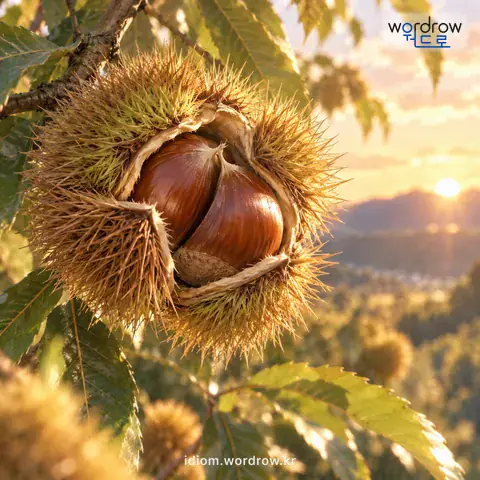 loosen within a chestnut burr For a ripening chestnut’s base to turn within its burr and create a gap.
 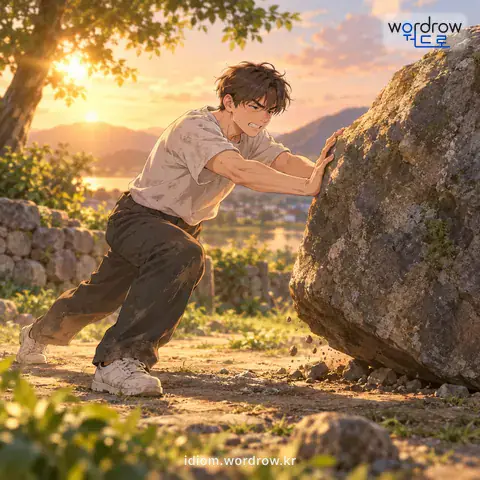 3 meanings Shift position For a heavy object to barely move from its place under an outside force
 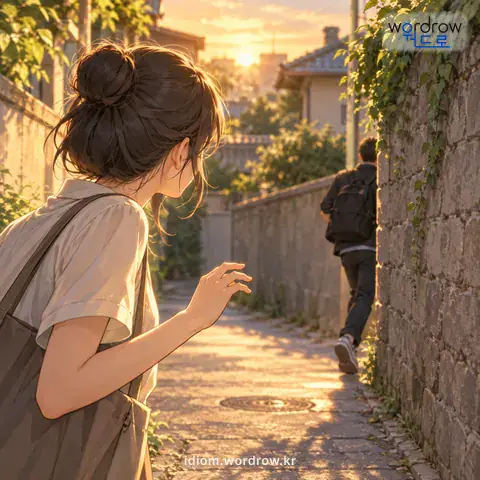 2 meanings disappear without a trace To go somewhere or hide without others knowing.
 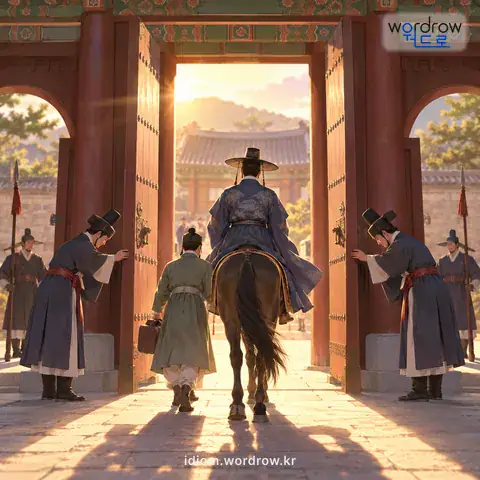 Open the central gate for a distinguished guest Formerly, at a government office with three gates, specially open the central gate to welcome an important guest other than the office's high official.
  Devise petty tricks Use one's mind to come up with shallow tricks.
  be intensely irritating To be very irritating.
  Have long experience Become familiar with work through spending a long time in a particular place or workplace.
  3 meanings grow up or come of age To grow up in a particular place from childhood.
  Shared · 2 Have a drink Drink the liquor poured into a drinking glass.
  offer a celebratory drink to a superior To pour liquor into a superior’s cup in a spirit of congratulation or wishes for long life.
  Shared · 2 drain one’s cup To drink all the liquor poured into a cup.
 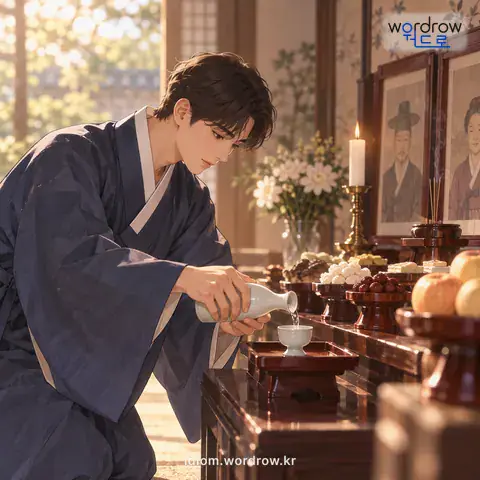 2 meanings Offer a cup of liquor Pour liquor into a cup and offer it during an ancestral rite
  be a light sleeper To be sensitive enough to wake at an ordinary sound.
  Sleep through noises Have so little sensitivity to sound while asleep that one rarely wakes
  wake someone from complacency To awaken someone and make them come to their senses.
  A gracefully dressed woman Figuratively, describe a well-dressed woman's appearance.
  be delicate and sheer A figurative expression for cloth or the like being so fine and thin that one can see through it.
  Dispense with idle talk Refrain from unnecessary words or questions
  Work listlessly and slowly Fail to apply oneself firmly to work, and work extremely slowly even when one does it
  Shared · 4 be evenly matched A figurative expression for two opponents being so evenly matched that the outcome is hard to decide, taken from expressions commonly used in Korean chess.
  Shared · 2 Defend against check In janggi, avoid or block check.
  Be absorbed in play Be so absorbed in play that one does not know what is happening.
  Shake the venue with sound For very loud, tumultuous sounds within a venue to stir the atmosphere intensely
 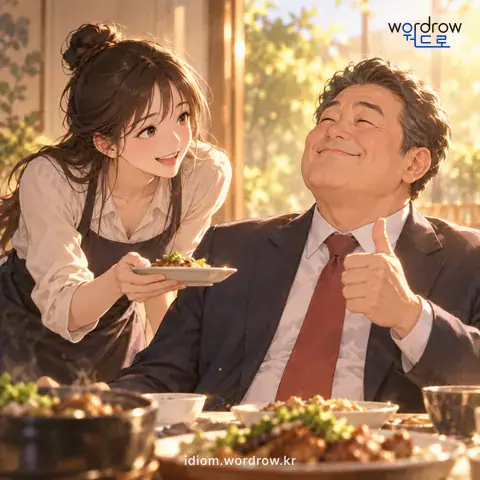 Play along with someone Speak or act to suit another person's mood or wishes.
 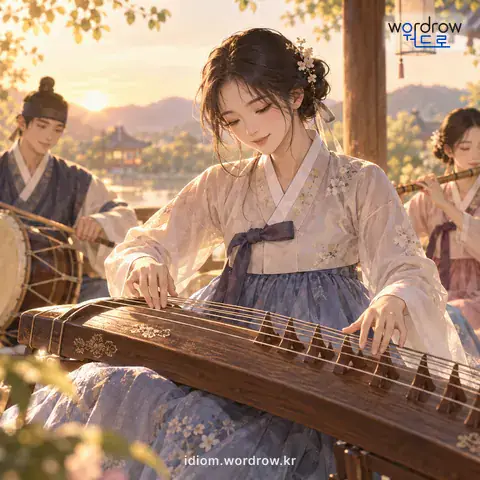 Begin playing to the rhythm Begin playing a melody in time with the piece's rhythm.
 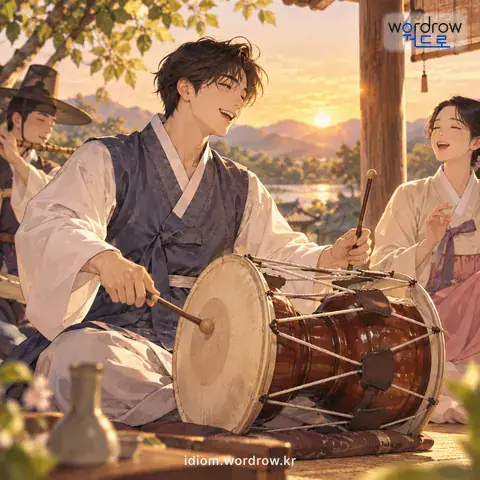 beat time To beat a janggu, drum, or the like in time with instrumental music or singing.
  2 meanings Keep in rhythm or harmony Have the rhythm fit well
  Promise to marry Pledge to marry
  borrow at exorbitant seasonal interest To borrow money or grain at high seasonal interest and use it.
  Accomplish with little effort Figuratively, accomplish something easily without much effort
 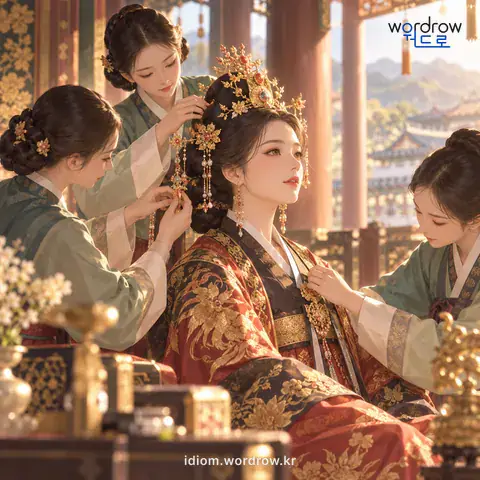 decorate with care An expression used at court for arranging and decorating something beautifully.
  Shared · 2 Defend against check In janggi, avoid or block check.
  Shared · 4 be evenly matched A figurative expression for two opponents being so evenly matched that the outcome is hard to decide, from expressions commonly used in Korean chess.
  Boast that one can do it Assert boastfully that one can accomplish something.
 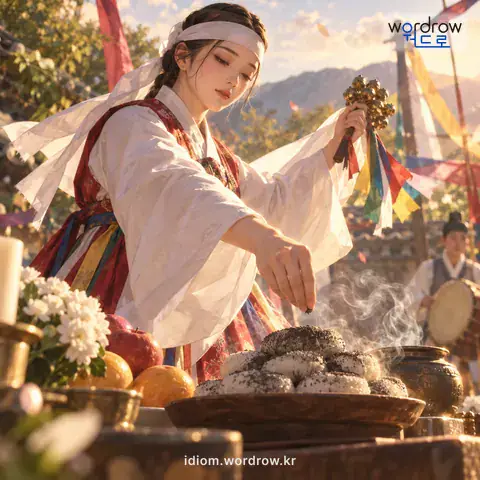 Ritual rice cake Formerly, rice cake used by shamans during rituals
  Come to nothing Of a task, thought, or the like, become entirely futile.
  2 meanings Put in a bit or gag Put a bit in a horse’s mouth